Baby Naming Ceremony Traditions in the UAE
JSYAS Baby Team · 16/08/2026
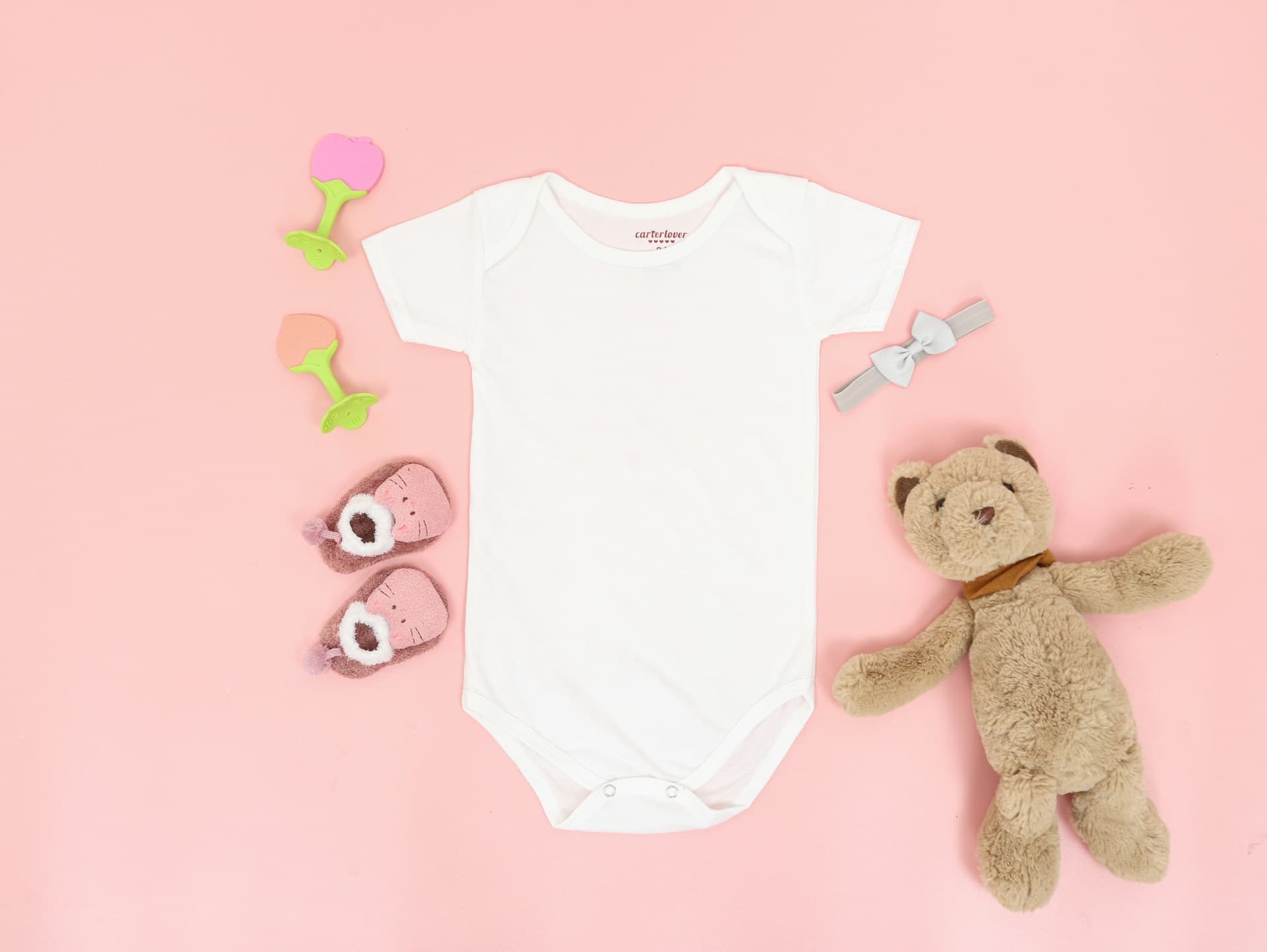
Baby naming day in the UAE rarely looks the same from one family to the next — and that's exactly what makes it special here. In a country where more than 200 nationalities raise children side by side, a newborn's name is often the first big milestone celebrated with extended family, and the traditions around it draw from Islamic, Hindu, Christian, and dozens of other customs, sometimes blended within a single household. If you're planning a naming celebration in Dubai, Abu Dhabi, or Sharjah, here's a respectful look at the customs families follow, and how many mark the day with a keepsake gift.
This guide describes cultural and religious customs for general interest and gift-planning purposes only — it isn't religious instruction. Naming rituals, timing, and required prayers vary by school of thought, region, and family, so always confirm the specifics with your own family elders, mosque, temple, or religious authority before the day itself.
A Multicultural Milestone
The UAE's population is majority expatriate, and nowhere is that mix more visible than in how families welcome a new name into the world. Emirati and other Muslim families typically mark the occasion with the Aqiqah. Many Hindu families, a significant share of the UAE's large Indian community, hold a Namkaran ceremony. Christian families across the Filipino, Indian, and Western expat communities often combine a baptism or christening with a naming celebration. What ties them together isn't the ritual itself but the instinct behind it: pause, gather the people who matter, and mark the moment a child's name becomes real to everyone who loves them.
The Islamic Aqiqah: Naming, Charity, and Gratitude
For Muslim families, the Aqiqah is traditionally held on the seventh day after birth, though many UAE families hold it later to accommodate travel, recovery, or scheduling around extended family arriving from abroad. Three elements are commonly associated with the day: the baby's name is formally announced, the baby's hair is shaved (with the practice of donating the hair's weight in silver to charity), and a shared meal is arranged for family, friends, and often the wider community. The emphasis across all three is gratitude and generosity — welcoming the child is treated as an occasion to give, not just to receive.
Because families interpret timing and specific practices differently depending on their school of thought, the details are worth confirming with your own religious authority rather than treating any single account as universal.
Hindu Namkaran: Choosing a Name with Meaning
In Hindu tradition, the Namkaran (literally "name-giving") ceremony is often held around the eleventh or twelfth day after birth, though — as with the Aqiqah — many UAE-based families adjust the date around family travel and venue availability. A priest or family elder may be involved in selecting an auspicious name, sometimes based on the child's birth star (nakshatra) in Vedic astrology, and the name is whispered into the baby's ear before being announced to the gathered family. Sweets are distributed, prayers are offered, and the day often doubles as the baby's first formal introduction to extended family and close friends.
As with any ceremony rooted in a specific tradition, families vary widely in how closely they follow classical timing and ritual, so this is best treated as background context rather than a how-to.
What UAE Families Have in Common on Naming Day
Strip away the specific rituals, and naming day across cultures in the UAE tends to share a few practical threads:
- A gathering of extended family, often the first time far-flung relatives meet the baby in person
- Food shared generously, whether a home-cooked spread or catered event
- A gift-giving moment, where guests bring something for the baby to mark the occasion
- The name itself being spoken aloud for the first time in front of family — a moment most parents describe as surprisingly emotional
That last point is why naming day gifts tend to skew toward keepsakes rather than everyday items. A blanket, outfit, or nursery piece that carries the child's actual name — the name everyone just heard announced — reads as considered in a way a generic gift set doesn't.
Choosing a Keepsake Gift for a Naming Celebration
If you're attending a naming ceremony, or planning your own child's, a personalized keepsake is one of the more meaningful ways to mark the day without overstepping into ritual territory that belongs to the family and their religious guidance. A soft blanket or outfit embroidered with the baby's newly announced name, gifted at or shortly after the ceremony, becomes something the family keeps well past infancy — often the first physical object bearing the child's name.
A few practical notes for UAE-based gift-giving:
- Confirm the exact spelling of the name with the parents before ordering anything personalized — names announced at a ceremony are sometimes spelled differently in official documents
- Soft, breathable fabric matters more in the UAE's climate than embroidery detail — see our organic cotton vs. regular cotton guide if you're choosing between fabric options
- If the family is newly settling in after the birth, a naming-day gift often lands alongside other early needs — our newborn essentials checklist is a useful reference if you're unsure what else they might need
- Browse our personalized gift sets or baby clothing if you're looking for pieces that can be personalized with a name
Whatever the tradition, the instinct is the same everywhere: this is a name worth celebrating, and a gift that carries it says so.
FAQ
What is the Aqiqah ceremony and when is it held?
The Aqiqah is an Islamic tradition marking a newborn's naming, traditionally held around the seventh day after birth, though UAE families often adjust timing around travel and family schedules. It commonly includes the formal naming, a hair-shaving ritual with a charitable donation, and a shared family meal.
When is the Hindu Namkaran ceremony typically held?
Namkaran is often held around the eleventh or twelfth day after birth in classical tradition, though many UAE-based Hindu families schedule it later to accommodate visiting relatives and venue availability. A priest or family elder is often involved in selecting the name.
Is it appropriate to bring a personalized gift to a naming ceremony?
Yes, personalized keepsakes such as a name-embroidered blanket or outfit are a common and well-received gift at naming celebrations across cultures in the UAE. Just confirm the exact spelling of the name with the parents first, since names can be spelled differently across informal use and official documents.
Do naming ceremony customs vary between families in the UAE?
Yes, significantly. Even within the same religious tradition, families differ in timing, specific rituals, and how closely they follow classical practice. This guide describes common patterns for general awareness — always confirm specifics with your own family, mosque, temple, or religious authority.
What should I know before gifting a personalized item for a newborn's naming day?
Double-check the name's spelling with the parents, choose breathable fabric suited to the UAE climate, and consider timing the gift to arrive around the ceremony itself so it's part of the celebration rather than a separate, later gesture.
Keep Reading
Newborn's First Bath: When and How to Start
A calm, practical guide to a newborn's first bath — when to start, sponge vs. tub baths, and UAE family bathing traditions worth knowing.
How to Wash Organic Baby Clothes: A Care Guide
A practical washing and care routine for organic cotton baby clothes, from the crucial first wash to keeping them soft wear after wear.
Baby's First Haircut: When and How to Do It
A calm, practical guide to your baby's first real haircut — the right age, cultural traditions, and tips for keeping the moment a good one.